Arabic for Kids
Online
Fun, Interactive Arabic & Quran Classes for Children Worldwide.
One-on-one lessons with native Egyptian tutors · Certified Kunooz curriculum · 6 progressive levels · Ages 5–14
Turning Play into
Real Arabic Learning
Children learn best when they are having fun. At eArabicLearning, games, stories, and songs are not distractions — they are powerful pedagogical tools rooted in the Kunooz curriculum's design.
Play → Vocab
We turn interactive play into organic vocabulary building that sticks permanently — using contextual repetition across 7–12 exposures as recommended by language acquisition research.
Stories → Talk
Classic Arabic and modern stories become the foundation for real conversation. Children hear and use the language before they formally learn its rules — mirroring natural language acquisition.
Games → Confidence
Competitive gamification builds the confidence to speak without fear of mistakes. When a child asks "When is my next Arabic class?" — you know the method is working.
The eArabicLearning
Curriculum for Kids
eArabicLearning uses the Kunooz (كنوز) Arabic Series — a 6-level curriculum specifically designed for non-native Arabic-speaking children aged 5–14.
Why eArabicLearning Chose Kunooz
6 Structured Levels
Each level is an independent acquisition stage that prepares for the next.
Child-Friendly Design
Rich visuals, age-appropriate content, and short attention-span-aware lessons.
All 4 Skills
Balanced development of listening, speaking, reading, and writing from day one.
Non-Native Focused
Addresses specific challenges English-speaking children face with Arabic.
The 6 Kunooz Levels — What Your Child Will Learn
Foundation Stage
Sounds & Letters (التأسيس)
This is the cornerstone of your child's Arabic journey. The focus is on building a solid phonemic and graphemic foundation before any vocabulary or grammar is introduced.
- All 28 Arabic letters in initial, medial, and final positions
- Sounds absent in English: ع غ ق خ ص ض (guttural and pharyngeal)
- Right-to-left handwriting with correct stroke paths
- Letter–image–word association for visual memory anchoring
Skills developed at this level:
Ideal age group
5–8 years (golden neuroplasticity window)
Key challenge addressed
English-speaking children need extra time with Arabic's unique sound system. This level is paced specifically for that transition.
Ages 5–8
Golden Acquisition Window
Peak neuroplasticity for sound acquisition. Arabic's unique phonemes (ع، غ، ق) become natural rather than effortful. Visual-rich Levels 1–2 are perfectly matched to this age's thinking style.
Ages 9–11
Logical Thinking Emerges
Children can begin understanding grammar rules in context. Levels 3–4 align with this stage, introducing sentence structure and grammatical categories through practical use.
Ages 12–14
Analytical Independence
Teenagers need intellectual depth and visible progress. Levels 5–6 provide more serious content, self-expression opportunities, and structured grammar that satisfies the analytical adolescent mind.
Why Learning Through
Play Works
Native Teachers from Egypt
Your child learns with native Arabic speakers who hold postgraduate degrees in teaching methodology and specialize in early childhood language education — combining linguistic accuracy with warmth and patience.
Live from Anywhere
Perfect for families in the USA, UK, Canada, Australia, and Europe. No commuting, no pressure — just consistent 1-on-1 progress from any timezone.
US-Registered LLC · 20 Years Experience
eArabicLearning is a registered US LLC with nearly two decades of teaching non-native speakers worldwide — providing families with the trust and accountability they deserve.
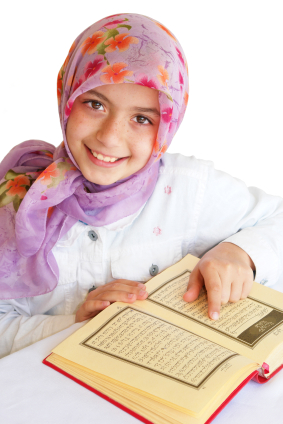
"When is my next Arabic class?"
The hallmark of true engagement
The Kids Proficiency Path
From first letters to independent Arabic communication — a clear 4-stage journey aligned with the Kunooz curriculum.
Stage 1
Alphabet & Sounds
Kunooz Levels 1–2
- 28 Arabic Letters
- Pronunciation & Phonics
- Right-to-Left Writing
Stage 2
Simple Sentences
Kunooz Levels 3–4
- 200+ Core Vocabulary
- Short Dialogues
- Nursery Rhymes in Arabic
Stage 3
Speaking Mastery
Kunooz Levels 4–5
- Questions & Answers
- Expression of Feelings
- Story-based Tasks
Stage 4
Fluent Communication
Kunooz Level 6
- Full Conversations in Arabic
- Reading Arabic Folk Tales
- Writing Paragraphs Independently
Why We Start with
Modern Standard Arabic
MSA (الفصحى) is the formal, written form of Arabic used across all 22 Arab countries — in the Quran, media, literature, and education. It is the universal gateway to the Arabic-speaking world.
Foundation for All Dialects
MSA-trained children can easily transition to Egyptian, Levantine, or Gulf dialects later — but not vice versa.
Clear & Structured Grammar
Consistent grammar and vocabulary — ideal for non-native beginners. The Kunooz curriculum is built on MSA throughout all 6 levels.
Access to Quran, Books & Media
The Holy Quran, classical literature, Arabic news, and academic content are all in MSA — making it the most valuable form to master first.
15,000+
Active Young Scholars Worldwide
19
Years Teaching
6
Kunooz Levels
4–14
Age Range
1-on-1
Every Lesson
Arabic for Kids FAQ
Common questions from parents in the USA, UK, Canada, and Europe about our Arabic children's program.
Ready to Start Their
Arabic Adventure?
Join thousands of families globally. Book a 100% free evaluation and trial class for your child today.
No payment required · No commitment · Instant booking
Book Free EvaluationTrusted by Muslim families in USA · UK · Canada · Australia · France · Germany