learn Arabic online

Learn Arabic Online: Your Complete Guide to Fusha, Classical, Modern Standard, Quranic, and Arabic for Kids & Adults

Embarking on the journey to learn Arabic can feel overwhelming with its rich history, various dialects, and distinct forms. But with the right guidance and resources, you can unlock the beauty and complexity of this global language. This comprehensive guide will help you navigate the world of online Arabic learning, whether you’re a beginner, a seasoned learner, a child, or an adult.

Why Learn Arabic?

  • Cultural and Historical Significance: Arabic is a key to understanding the rich history and culture of the Arab world, from ancient poetry to modern literature.
  • Religious Importance: For Muslims, learning Arabic opens the door to a deeper understanding of the Quran and Islamic teachings.
  • Career Opportunities: Proficiency in Arabic can enhance your career prospects in fields like international relations, journalism, academia, and business.
  • Cognitive Benefits: Learning a new language like Arabic improves cognitive skills like memory, problem-solving, and multitasking.

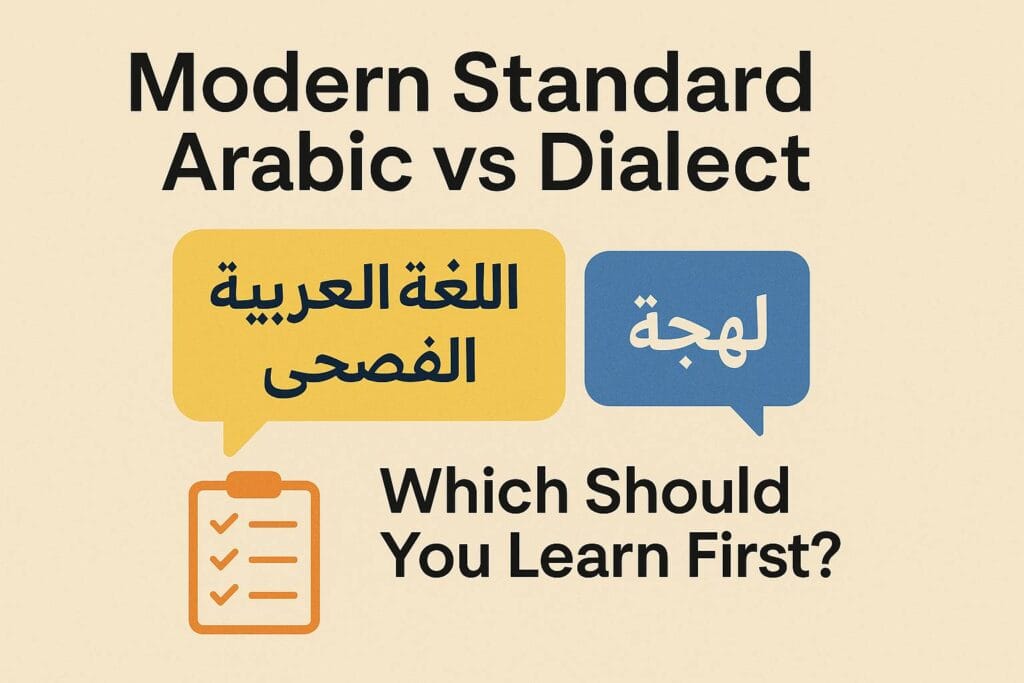
Which Type of Arabic Should You Learn?

  • Fusha (Classical) Arabic: The language of the Quran and classical literature, providing the foundation for all other forms of Arabic.
  • Modern Standard Arabic (MSA): The formal language used in media, education, and official settings across the Arab world.
  • Quranic Arabic: A specialized focus on the vocabulary and grammar of the Quran.
  • Colloquial Arabic: The various regional dialects spoken in everyday life, which differ significantly from MSA.

Arabic for Kids vs. Adults

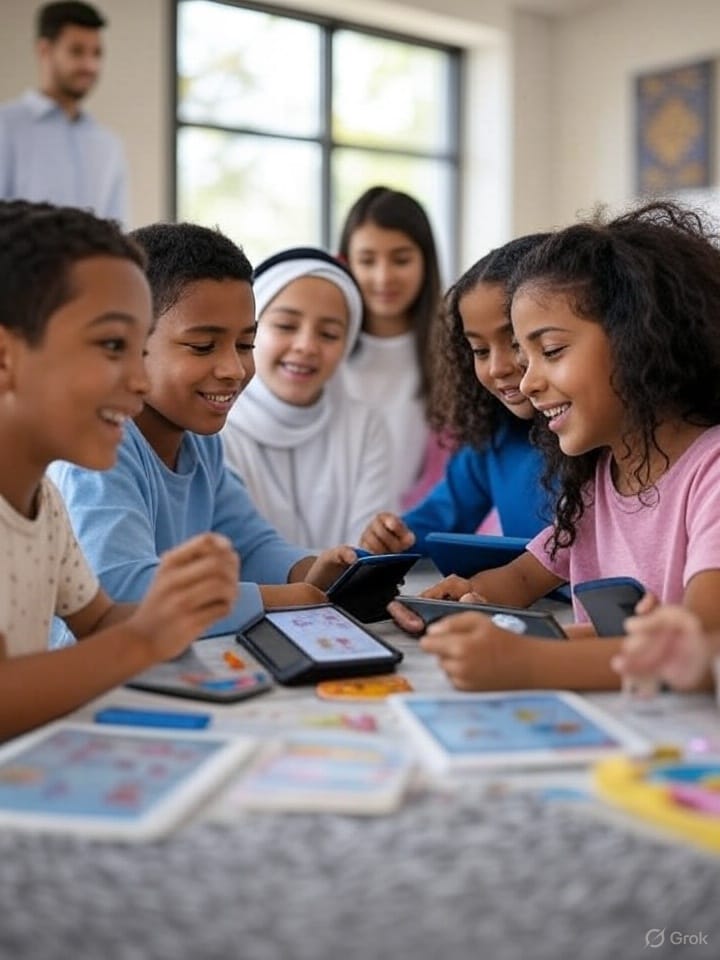
  • Kids: Engaging, interactive courses with games, songs, and stories to make learning fun and effective.
  • Adults: Structured programs with clear objectives, grammar lessons, vocabulary building, and cultural context.

Where to Learn Arabic Online

  • Online Courses and Platforms: Many reputable websites and apps offer interactive Arabic lessons, from beginner to advanced levels.
  • Private Tutors: For personalized instruction and feedback, consider working with a qualified Arabic tutor online.
  • Language Exchange Programs: Practice speaking Arabic with native speakers in a mutually beneficial exchange.

Tips for Learning Arabic Online

  • Set Clear Goals: Determine why you want to learn Arabic and what you hope to achieve.
  • Find a Learning Style that Suits You: Experiment with different approaches like visual, auditory, or kinesthetic learning.
  • Practice Regularly: Consistent practice is key to mastering any language.
  • Immerse Yourself in the Language: Watch Arabic movies, listen to Arabic music, and read Arabic books and articles.

Conclusion

Learning Arabic online is an exciting and rewarding journey. With dedication, the right resources, and a personalized approach, you can achieve fluency and open a world of cultural and intellectual opportunities. Whether you’re interested in Fusha, Modern Standard, Quranic, or Colloquial Arabic, there’s an online course or program waiting to guide you on your path to language proficiency.

Let me know if you’d like me to expand on any specific section or add more details!

#Fusha_Arabic
#classical_Arabic
#Arabic_for_kids
#Arabic_language_online
#Arabic for Adults
#Quranic_Arabic
#Modern_standard_Arabic

Master the Arabic Alphabet in 7 Days: A Friendly, Practical Guide for Beginners

Welcome to your exciting journey into the Arabic language! If you’re feeling a mix of curiosity and nervousness about tackling the Arabic alphabet—you’re not alone. I vividly remember my own first encounter with those beautiful, flowing letters written from right to left. I stared at them thinking, “How am I ever going to understand this?” […]

Master the Arabic Alphabet in 7 Days: A Friendly, Practical Guide for Beginners Read More »

10 Creative (and Unusual) Ways to Practice Arabic Daily — Without Getting Bored

A real-life survival guide for non-native Arabic learners who want to fall in love with the language — again. Let’s be honest. If you’re learning Arabic as a non-native speaker, you’ve probably had moments of burnout. Days where opening your textbook felt like lifting a sandbag. Hours wasted memorizing vocabulary you never use. That lingering

10 Creative (and Unusual) Ways to Practice Arabic Daily — Without Getting Bored Read More »

Arabic Language Learning Games for Kids: Boosting Skills Through Fun

Imagine a child learning to say “تفاحة” (apple) while giggling over a memory game, or discovering how to build a sentence in Arabic while stacking colorful blocks. Learning a language doesn’t have to feel like homework — it can be an exciting, hands-on journey. For children especially, the path to fluency is often paved with

Arabic Language Learning Games for Kids: Boosting Skills Through Fun Read More »

Top 10 Powerful Tips to Master Arabic as a Non-Native Speaker

An in-depth guide for learners who want more than just basics — they want results. Learning Arabic is not just about adding a new language to your skill set. It’s about entering a world filled with history, poetry, culture, faith, and connection. But if you’re reading this, you already know that. What you’re likely looking

Top 10 Powerful Tips to Master Arabic as a Non-Native Speaker Read More »

100+ Beautiful Islamic Baby Boy Names with Meanings🌙

Choosing the perfect name for your baby boy is a big decision—one that carries meaning, tradition, and hope for the future. In Islamic culture, names often hold deep spiritual and historical significance, inspired by the Qur’an, the Prophet Muhammad ﷺ, and the rich heritage of Islamic civilization. Whether you’re a parent-to-be, a teacher of Arabic,

100+ Beautiful Islamic Baby Boy Names with Meanings🌙 Read More »