learn Arabic online

Learn Arabic Online: Your Complete Guide to Fusha, Classical, Modern Standard, Quranic, and Arabic for Kids & Adults

Embarking on the journey to learn Arabic can feel overwhelming with its rich history, various dialects, and distinct forms. But with the right guidance and resources, you can unlock the beauty and complexity of this global language. This comprehensive guide will help you navigate the world of online Arabic learning, whether you’re a beginner, a seasoned learner, a child, or an adult.

Why Learn Arabic?

  • Cultural and Historical Significance: Arabic is a key to understanding the rich history and culture of the Arab world, from ancient poetry to modern literature.
  • Religious Importance: For Muslims, learning Arabic opens the door to a deeper understanding of the Quran and Islamic teachings.
  • Career Opportunities: Proficiency in Arabic can enhance your career prospects in fields like international relations, journalism, academia, and business.
  • Cognitive Benefits: Learning a new language like Arabic improves cognitive skills like memory, problem-solving, and multitasking.

Which Type of Arabic Should You Learn?

  • Fusha (Classical) Arabic: The language of the Quran and classical literature, providing the foundation for all other forms of Arabic.
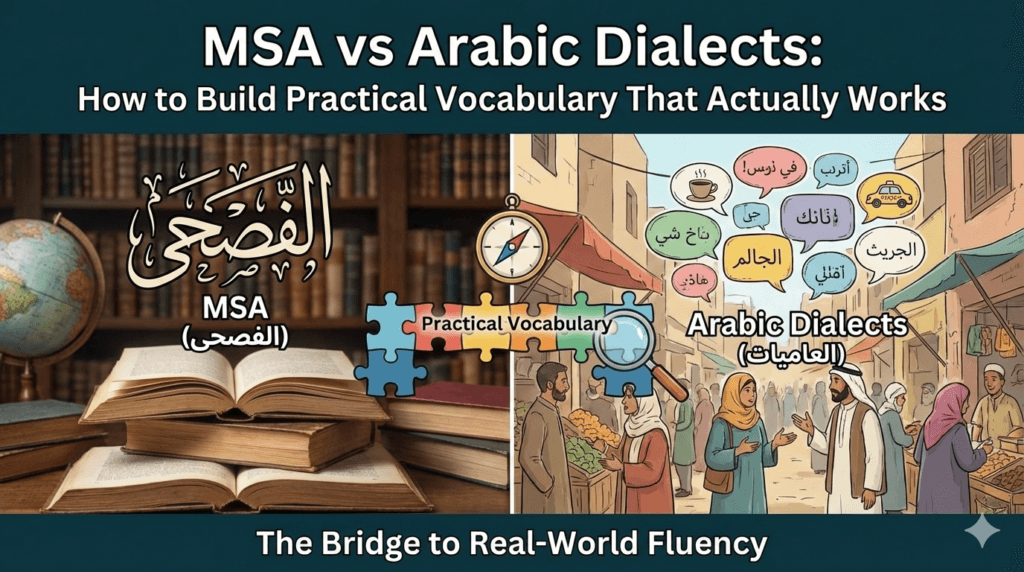
  • Modern Standard Arabic (MSA): The formal language used in media, education, and official settings across the Arab world.
  • Quranic Arabic: A specialized focus on the vocabulary and grammar of the Quran.
  • Colloquial Arabic: The various regional dialects spoken in everyday life, which differ significantly from MSA.

Arabic for Kids vs. Adults

  • Kids: Engaging, interactive courses with games, songs, and stories to make learning fun and effective.
  • Adults: Structured programs with clear objectives, grammar lessons, vocabulary building, and cultural context.

Where to Learn Arabic Online

  • Online Courses and Platforms: Many reputable websites and apps offer interactive Arabic lessons, from beginner to advanced levels.
  • Private Tutors: For personalized instruction and feedback, consider working with a qualified Arabic tutor online.
  • Language Exchange Programs: Practice speaking Arabic with native speakers in a mutually beneficial exchange.

Tips for Learning Arabic Online

  • Set Clear Goals: Determine why you want to learn Arabic and what you hope to achieve.
  • Find a Learning Style that Suits You: Experiment with different approaches like visual, auditory, or kinesthetic learning.
  • Practice Regularly: Consistent practice is key to mastering any language.
  • Immerse Yourself in the Language: Watch Arabic movies, listen to Arabic music, and read Arabic books and articles.

Conclusion

Learning Arabic online is an exciting and rewarding journey. With dedication, the right resources, and a personalized approach, you can achieve fluency and open a world of cultural and intellectual opportunities. Whether you’re interested in Fusha, Modern Standard, Quranic, or Colloquial Arabic, there’s an online course or program waiting to guide you on your path to language proficiency.

Let me know if you’d like me to expand on any specific section or add more details!

#Fusha_Arabic
#classical_Arabic
#Arabic_for_kids
#Arabic_language_online
#Arabic for Adults
#Quranic_Arabic
#Modern_standard_Arabic

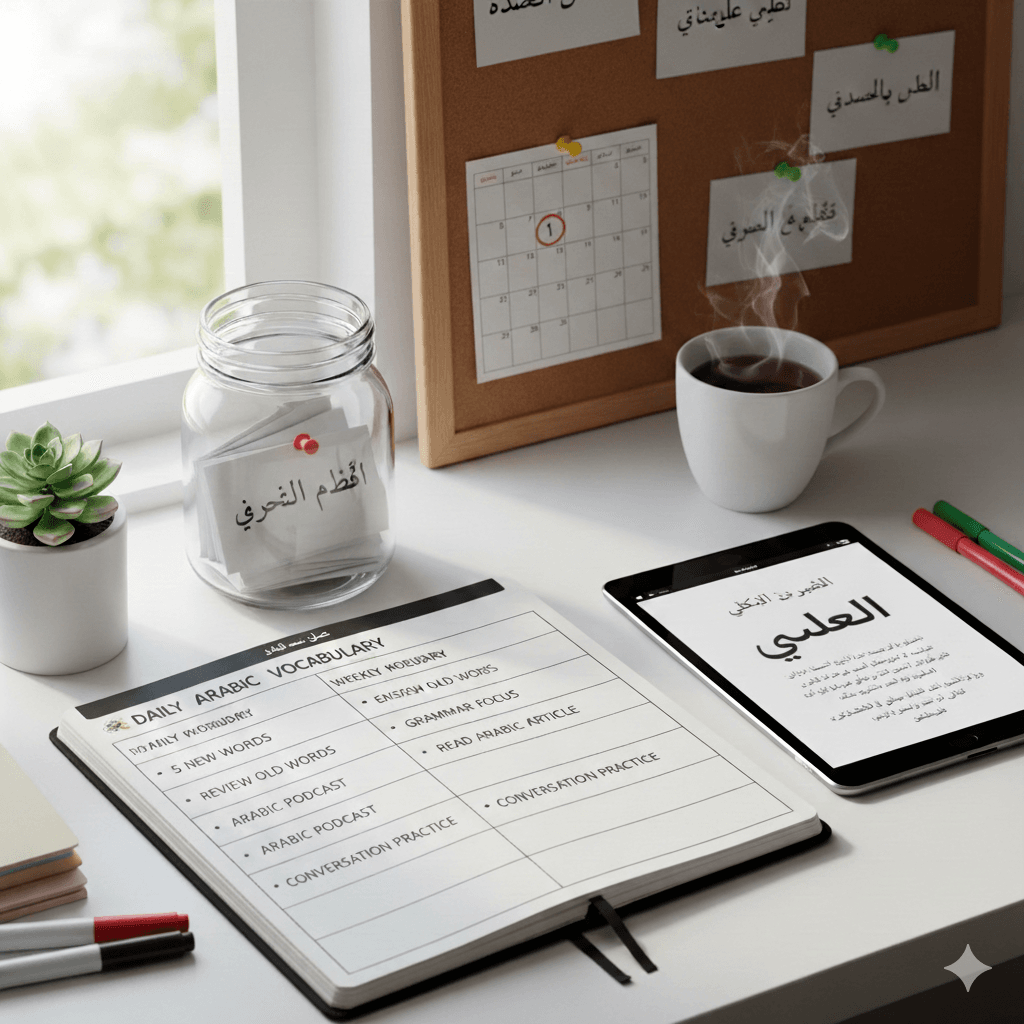
Daily & Weekly Arabic Vocabulary Study Routine

Daily & Weekly Arabic Vocabulary Study Routine (With AI + Teacher Support That Actually Works) Most Arabic learners don’t fail because Arabic is “too hard.”They fail because they don’t have a routine that respects how the human brain really learns language. Random apps. Random word lists. Random motivation.That’s not learning—that’s linguistic gambling. This guide gives […]

Daily & Weekly Arabic Vocabulary Study Routine Read More »

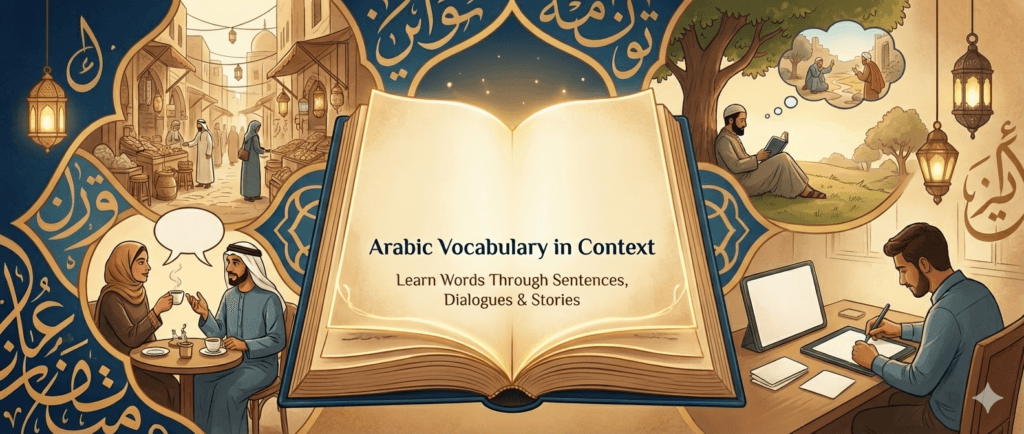
Arabic Vocabulary in Context: Learn Words Through Sentences, Dialogues & Stories

Learning Arabic vocabulary without context is like collecting tools without knowing what they’re for. You might recognize the shape, but when it’s time to actually build something—conversation, comprehension, fluency—you freeze. Many learners memorize hundreds of Arabic words and still struggle to understand native speakers or express simple ideas naturally. This isn’t a failure of intelligence

Arabic Vocabulary in Context: Learn Words Through Sentences, Dialogues & Stories Read More »

High-Frequency Arabic Words: What to Learn First for Real Conversations

Most Arabic learners don’t fail because Arabic is “too hard.”They fail because they learn the wrong words first. You can memorize hundreds of beautiful, rare, textbook-perfect Arabic words and still freeze when someone asks you a simple question like: “Where are you from?”“What do you do?”“Do you want tea or coffee?” Real conversations run on

High-Frequency Arabic Words: What to Learn First for Real Conversations Read More »

Multi-Sensory Techniques to Master Arabic Vocabulary Faster

You’ve Mastered When to Review — Now Master How to Remember If you already use Spaced Repetition (SRS), you understand the timing of memory. You know when to review a word to prevent forgetting. But here’s the real question: How do you make the memory itself stronger, richer, and harder to erase? That’s where most

Multi-Sensory Techniques to Master Arabic Vocabulary Faster Read More »

Why Real Teachers Are Essential for Mastering Arabic Vocabulary

In the age of AI apps, flashcards, and automated learning tools, it’s tempting to believe that technology alone can teach you Arabic vocabulary. Algorithms promise speed. Apps promise efficiency. Some even promise fluency. Reality check: Arabic vocabulary is not just data. It’s judgment, context, culture, and correction.And that’s where real teachers become essential—not optional. This

Why Real Teachers Are Essential for Mastering Arabic Vocabulary Read More »

Why Learning Arabic Words in Context Matters More Than Memorization

Memorizing Arabic words feels like progress.Using them correctly is real progress. Many learners know dozens of Arabic words — yet freeze when they need to speak or understand natural Arabic. This gap is not about intelligence or effort. It’s about how vocabulary is learned. This article explains why learning Arabic words in context matters far

Why Learning Arabic Words in Context Matters More Than Memorization Read More »

How Learning Arabic Through Culture Improves Speaking Faster

How Learning Arabic Through Culture Improves Speaking Faster Learning Arabic effectively is not just about memorizing vocabulary or mastering grammar. For non-native speakers, immersing in the culture is the fastest and most practical way to improve speaking skills. Alexandria, Egypt, offers a perfect environment for this type of learning, combining history, landmarks, and daily life

How Learning Arabic Through Culture Improves Speaking Faster Read More »

Why Learn Arabic in Alexandria Is Better Than Anywhere Else in Egypt

Why Learn Arabic in Alexandria Is Better Than Anywhere Else in Egypt Learning Arabic is a journey that goes beyond textbooks and classrooms. Alexandria, Egypt’s historic Mediterranean gem, offers an unparalleled environment for mastering the Arabic language. For non-native speakers, the city provides a unique blend of culture, history, and real-life language exposure that few

Why Learn Arabic in Alexandria Is Better Than Anywhere Else in Egypt Read More »

What to Look for in an Arabic Language School in Alexandria

What to Look for in an Arabic Language School in Alexandria Finding the right Arabic language school can make all the difference in your learning journey. Alexandria, Egypt, offers numerous options for non-native speakers, but choosing a school that provides real-life language exposure and cultural immersion is essential for faster progress and authentic learning. This

What to Look for in an Arabic Language School in Alexandria Read More »

Learn Arabic in Alexandria Through Real City Landmarks

Learn Arabic in Alexandria Through Real City Landmarks Alexandria is not just a city you visit — it is a city you experience. For learners of Arabic, this experience becomes a living classroom where language, culture, history, and daily life meet naturally. Instead of learning Arabic from isolated textbooks or memorized word lists, learning Arabic

Learn Arabic in Alexandria Through Real City Landmarks Read More »